Mitchell Starc's 7/58 shatters England in Ashes opener at Perth Stadium

Nov, 23 2025
On the first morning of the 2025 Ashes series, Mitchell Starc didn’t just dominate—he dismantled. The 35-year-old Australian fast bowler took 7 wickets for 58 runs in just 24.5 overs on November 21, 2025, at Perth Stadium, leaving England all out for 172 in 32 overs. It wasn’t just a great spell. It was a career-defining masterpiece, delivered when Australia’s strike force was down—Pat Cummins and Josh Hazlewood sidelined, and Starc left to carry the burden alone. And he did, with a precision that defied logic, conditions, and even his own history.
A Perfect Start, Then a Perfect Storm
It began with a whisper. In the first over of the match, Starc bowled to Zak Crawley. No swing. No pace. Just a slight, almost imperceptible wobble seam that kissed the edge and flew to the slip cordon. Out. Duck. The crowd didn’t roar—yet. But the silence was heavy with recognition. By the time Joe Root, England’s veteran captain and last true anchor, edged a similar delivery for another duck at the 1:30 mark, the writing was on the pitch. Starc didn’t need swing. He didn’t need shine. He needed purchase—and Perth’s dry, unyielding surface gave him exactly that.The Wobble Seam Revolution
For years, Starc was the express paceman who thrived on swing and speed. But as his body aged and pitches grew flatter, he reinvented himself. The wobble seam—a delivery that skids low, kicks unpredictably off the surface, and rarely moves through the air—became his secret weapon. As cricket.com.au noted, "The thought of Starc taking seven wickets on a day with little-to-no swing would have been inconceivable only a few years ago." Now, it’s his signature. He bowled 24.5 overs—the most by any bowler in the match—and didn’t lose his line or length. Not once. Ben Stokes, England’s captain, fell for 11, caught behind. Gus Atkinson, the promising all-rounder, edged to slip. Mark Wood, England’s pace spearhead, was bowled through the gate. Even Jamie Smith, the wicketkeeper, didn’t survive. Seven wickets. Seven different methods. Seven moments of pure, unrelenting control.300 and Counting
At the 5:09 mark of the YouTube highlights, the commentary cut through the noise: "172 England all out. Mitch Starc over 300 Test wickets and he’s just delivered…" It was quiet. No fireworks. Just a nod from the bowler, a handshake from Pat Cummins on the sidelines, and a stadium holding its breath. Starc now has 301 Test wickets. Only 11 Australians have ever reached 300. He’s the first to do it with a wobble seam as his primary weapon. His previous best? 6/32 against India in 2018. This? 7/58. His first seven-wicket haul in 101 Tests. And it came on a day when the pitch offered next to nothing.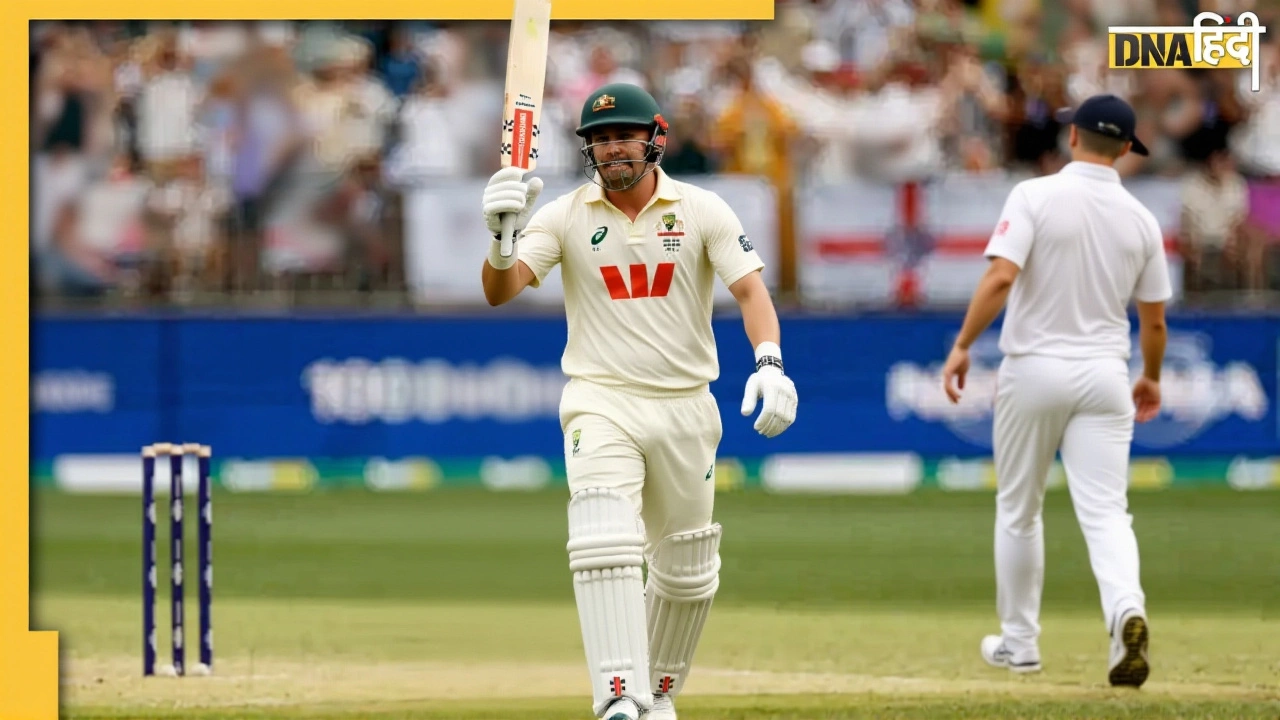
England’s Collapse: A Team in Disarray
England’s innings lasted 32 overs. That’s less than five hours of play. Their run rate? 5.33—an anemic pace for Test cricket. They lost their top four for 36 runs. The middle order offered no resistance. Ben Duckett, the opener, was bowled by a delivery that didn’t even break the surface. No edge. Just pure, brutal accuracy. The collapse wasn’t just tactical—it was psychological. Starc didn’t just take wickets. He broke belief. When the captain, Stokes, fell for 11, the spirit went with him. No one stepped up. No one even tried. The only bright spot? Jamie Smith’s grit—but even he couldn’t outlast Starc’s relentless pressure.Starc’s Evolution: Age Is Just a Number
At 35, most fast bowlers are easing into retirement. Starc is redefining longevity. He’s bowled more overs in a single innings than ever before—29 times in his career, he’s exceeded this workload. But this time, he did it with surgical precision. He’s adapted. He’s studied. He’s learned to bowl slower, smarter, and more efficiently. "There’s obviously a little bit of a break now that’s a little bit longer now with the extra three days," he said post-match. "I think we’ll just enjoy this week." That’s not arrogance. It’s mastery. He knows what he did. And he knows how rare it is.
What This Means for the Ashes
This isn’t just a great day. It’s a statement. Australia didn’t just win the first day—they seized control of the entire series. The 2025 Ashes, the 74th in the rivalry dating back to 1882, now has a defining moment. England’s batting lineup looks brittle. Their pace attack is exposed. And Australia? They’ve got Starc, and they’ve got momentum. With the pitch expected to dry further over the next three days, Starc could be back with the second new ball—and he’s already shown he can do this again.Historical Context: A Rare Feat
Only 11 bowlers in Test history have taken seven or more wickets in an innings after turning 35. Starc joins the likes of James Anderson and Glenn McGrath. But unlike them, he didn’t rely on swing or seam. He used a delivery few thought possible at his age. And he did it on a pitch that had no life. That’s what makes this so extraordinary. He didn’t just beat the batsmen—he outthought them. And he did it on his 101st Test. No one else in Australian cricket has ever taken seven wickets in an innings at this stage of their career.Frequently Asked Questions
How did Mitchell Starc’s wobble seam delivery change his career trajectory?
Before adopting the wobble seam, Starc relied heavily on swing and pace, which became harder to maintain as he aged and pitches flattened. The wobble seam—where the ball’s seam wobbles mid-air and grips the pitch—allowed him to generate late, unpredictable bounce without needing swing. This adaptation extended his career, turned him into a match-winner on flat tracks, and led to his first 7-wicket haul in 101 Tests, a feat previously thought impossible for him.
Why was England’s batting so ineffective despite having experienced players like Joe Root and Ben Stokes?
England’s top order was unprepared for the low, skidding nature of Starc’s wobble seam. Root and Stokes, both technically sound, were deceived by the lack of air movement and the sudden kick off the pitch. Root was bowled for a duck; Stokes edged a delivery that stayed low. The entire team lacked exposure to this style, and their footwork was too slow to adjust. No one scored more than 24, and the middle order collapsed under pressure.
What does Starc’s 300 Test wickets mean for Australian cricket history?
Starc is the 11th Australian to reach 300 Test wickets, joining legends like Shane Warne, Glenn McGrath, and Dennis Lillee. But he’s the first to do it with a non-swinging, seam-based attack in the modern era. His 301 wickets came in 78 Tests—faster than McGrath and only behind Warne among Australians. This performance solidifies him as Australia’s most effective fast bowler of the post-2010 era, and possibly its greatest pace bowler since Lillee.
How does this performance compare to past Ashes opening days?
The last time Australia bowled England out for under 200 on day one of an Ashes opener was in 2010 at Cardiff, when Peter Siddle took 5/48. Starc’s 7/58 is the best opening-day bowling figures by an Australian in the Ashes since 1981, when Dennis Lillee took 7/51 at the WACA. It’s also the most wickets by any bowler on day one of an Ashes Test since 2005, when Andrew Flintoff took 5/63 at Lord’s.
What’s next for Australia in this Ashes series?
With England reeling and the pitch expected to deteriorate, Australia will look to build a big first-innings total. Starc will likely be rested for the second day to preserve him for the second new ball on day three. If Australia can post 350+, they’ll have a commanding lead heading into the final two days. England’s only hope is a batting resurgence—but with Starc in form and the pitch offering more assistance, that’s a tall order.
Is this performance likely to be a turning point in Starc’s career?
Absolutely. At 35, Starc was already considered past his peak by many analysts. But this innings proves he’s not just enduring—he’s evolving. His ability to adapt his technique, manage workload, and dominate on flat pitches makes him a unique asset. If he maintains this form, he could play through the 2027 Ashes and potentially challenge the 400-wicket mark. This wasn’t just a great day. It was the start of a new chapter.